
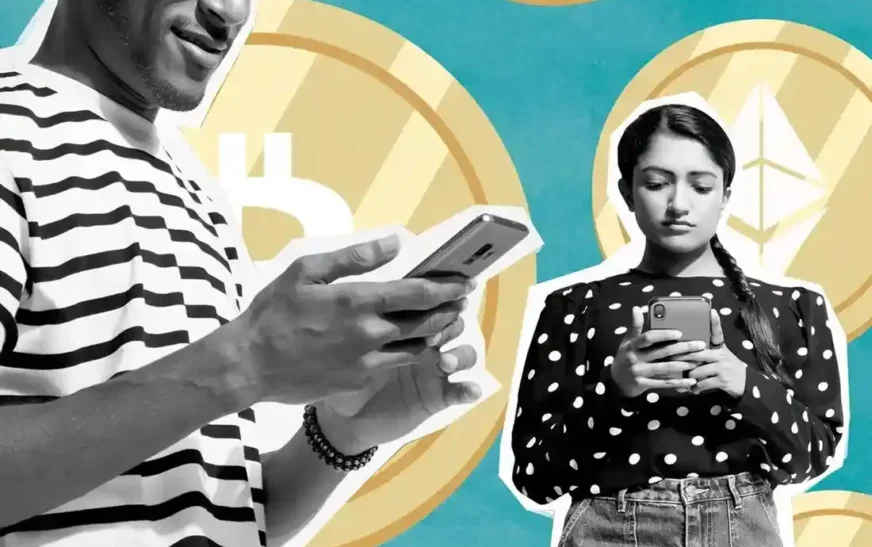
Young People Are Learning About Money Through TikTok and YouTube Instead of Banks
One of the biggest financial shifts happening right now is how younger generations are approaching money and investing.
A few years ago, investing felt complicated and intimidating for most people. Stocks, ETFs, crypto, and finance discussions were usually limited to professionals or older investors. But social media completely changed that.
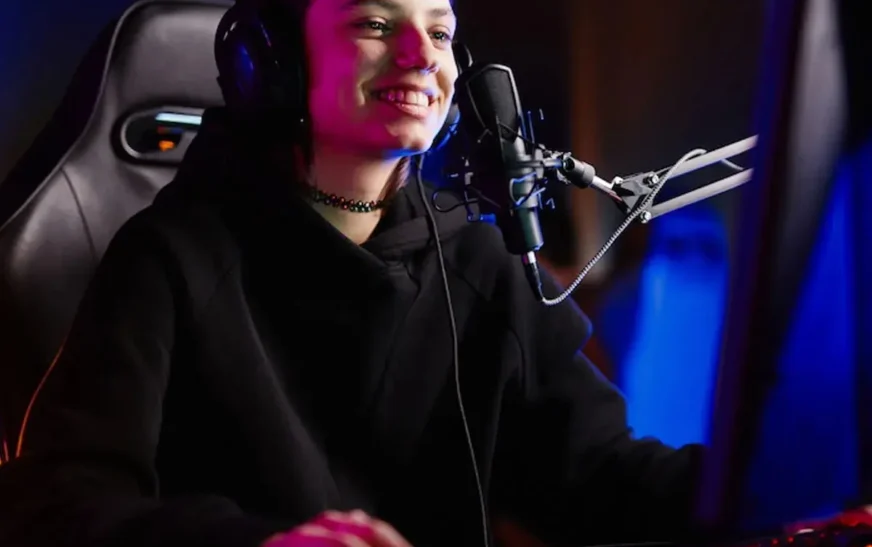
Now, millions of young people learn about investing through TikTok, YouTube, podcasts, and finance creators online.
Terms like “passive income,” “index funds,” “side hustles,” “compound growth,” and “financial freedom” are becoming part of everyday internet culture. Even teenagers now discuss stocks and investing strategies online casually.
One reason this trend exploded is because modern generations are becoming more financially anxious.
Rising living costs, expensive housing, inflation, and uncertain job markets are pushing young people to think about money much earlier than previous generations did. Many no longer believe traditional career paths alone guarantee financial stability.
Technology also made investing far more accessible.
People can now buy stocks directly from mobile apps within minutes instead of needing complicated brokerage systems. Fractional investing allows users to invest small amounts into major companies without needing huge savings.
Social media finance culture has both positive and negative sides though.
On one hand, financial education became more accessible than ever before. Many creators genuinely help audiences understand saving, budgeting, and investing basics.
But there is also danger.
Some influencers promote unrealistic “get rich quick” mindsets, risky trading habits, or fake luxury lifestyles that create unhealthy financial pressure online.
That is why many finance experts now emphasize long-term investing, patience, and financial literacy instead of chasing overnight success.
Still, one thing is very clear:
Young people today are becoming financially aware much earlier than past generations.
And honestly, in today’s economy, many feel they have no choice but to learn.